
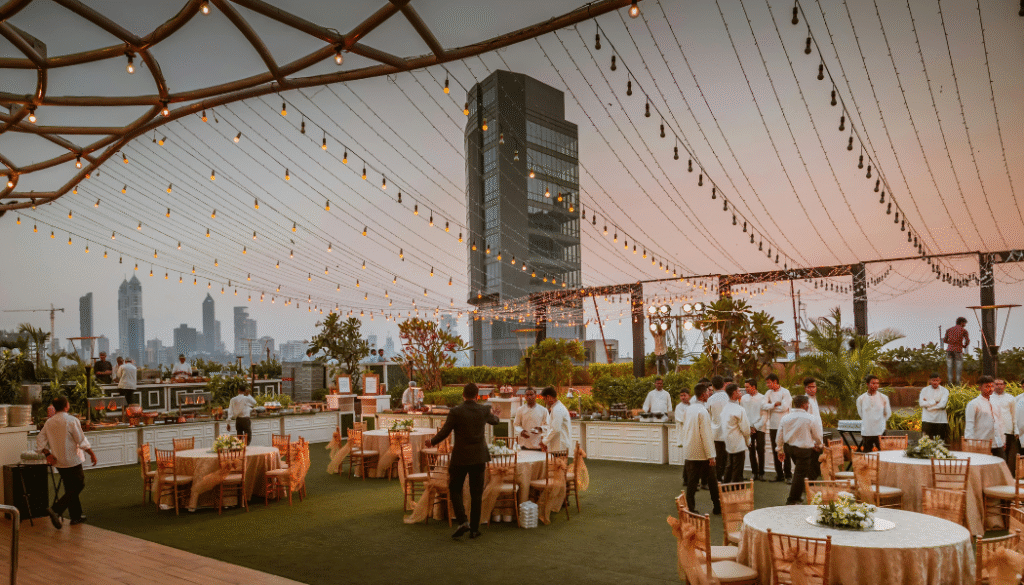
Events bring people together to celebrate, learn, connect, and share ideas. However, every event also requires resources. Venue energy, transportation, food, decorations, printed materials, disposable products, and waste can all contribute to an event’s environmental impact.
This is where sustainable event planning becomes important.
A sustainable event does not mean compromising on creativity, quality, or guest experience. Instead, it involves making thoughtful choices throughout the planning process to reduce unnecessary waste, use resources more efficiently, and create an event with a lighter environmental footprint.
For businesses and organisations, sustainable planning can also support wider corporate responsibility and ESG goals. Ishqat Events highlights green event planning through eco-friendly materials, mindful waste management, reusable décor, digital communication, green catering, and reduced plastic use.
What Is Sustainable Event Planning?
Sustainable event planning is an approach that considers the environmental impact of an event from the early planning stage through post-event activities.
Rather than focusing only on how the event looks or operates on the day, planners also consider questions such as:
- How much material will be used?
- Can any items be reused?
- Is printing really necessary?
- How can food waste be reduced?
- Can single-use products be avoided?
- Is the venue using resources efficiently?
- How can guests be encouraged to make more sustainable choices?
Small improvements across different parts of an event can collectively make a meaningful difference.
1. Reducing Single-Use Materials
Single-use items can create a large amount of waste, particularly at conferences, exhibitions, celebrations, and large corporate gatherings.
Sustainable event planning looks for opportunities to reduce unnecessary disposable materials. For example, planners can consider reusable décor elements, refillable solutions, reusable tableware where practical, and alternatives to unnecessary plastic products.
The goal is not simply to replace one product with another. It is to review whether the item is needed in the first place and whether it can be used again.
Ishqat Events specifically identifies sustainable materials, reduced plastic use, reusable décor, and mindful waste management as part of its approach to greener event planning.
2. Moving from Paper to Digital Communication
Traditional events can use a considerable amount of printed material, including invitations, brochures, programmes, agendas, tickets, maps, and feedback forms.
Digital alternatives can reduce the need for many of these materials. Depending on the event, organisers can use:
- Digital invitations
- Online registration
- QR code-based information
- Digital agendas
- Event apps
- Electronic feedback forms
- Digital displays
This approach can also make event information easier to update. If a schedule changes, organisers can communicate the update digitally instead of printing new materials.
Ishqat Events also highlights paperless agendas and digital alternatives as part of technology-supported sustainable event practices.
3. Choosing Reusable and Long-Lasting Event Décor
Event décor plays a major role in creating atmosphere, but temporary decorative materials can sometimes be used only once.
A more sustainable approach involves selecting décor elements that can be stored, adapted, and reused for future events. Modular backdrops, reusable structures, versatile props, and durable decorative pieces can help reduce the need to produce completely new materials for every occasion.
Creative design is still possible with reusable elements. A skilled event team can transform familiar materials through different layouts, lighting, branding, fabrics, and styling.
Ishqat Events offers customised theme and décor planning, allowing event concepts to be developed around the specific vision and requirements of each occasion.
4. Planning Food and Catering More Carefully
Food is an essential part of many events, but inaccurate planning can result in unnecessary waste.
A sustainable catering strategy starts with estimating guest numbers as accurately as possible. Organisers can also consider serving styles, portion planning, menu choices, and methods for managing surplus food where appropriate and permitted.
Useful planning steps include:
- Monitoring registration numbers closely
- Confirming attendance before final catering orders
- Choosing realistic portion sizes
- Avoiding excessive menu duplication
- Coordinating with experienced catering providers
- Considering locally sourced options where practical
The aim is to provide guests with a high-quality dining experience while reducing unnecessary overproduction.
5. Selecting a Suitable Venue
The venue influences many aspects of an event’s environmental impact. Location, size, lighting, air conditioning, accessibility, and available facilities can all affect resource use.
Choosing a venue that matches the expected number of attendees can help avoid booking an unnecessarily large space. A conveniently located venue may also make travel easier for guests.
Before making a decision, event planners can evaluate:
- Venue capacity
- Accessibility
- Available natural lighting
- Energy management practices
- Waste collection facilities
- Existing furniture and equipment
- Proximity to attendees or transport links
Professional venue selection also helps organisers match the event space with their requirements, budget, theme, and logistics. Ishqat Events provides venue sourcing, site visits, inspections, customised venue solutions, and vendor coordination across the UAE.
6. Using Energy-Efficient Event Technology
Technology can support both event efficiency and sustainability when used thoughtfully.
Energy-efficient lighting, including LED solutions, can help reduce unnecessary energy consumption. Smart venue management systems may also assist with monitoring and managing energy use during larger events.
Digital screens can sometimes reduce the need for repeated printed signage, while online registration and digital communication can reduce paper usage.
Ishqat Events notes the use of digital banners, paperless agendas, energy-saving LED lighting, smart venue management, and carbon-tracking tools among technologies supporting sustainable events.
7. Improving Waste Management
Waste management should be considered during the planning stage rather than after the event has ended.
Organisers can identify the types of waste likely to be generated and create a practical plan for collection and disposal. Clearly labelled waste stations can also make it easier for attendees and event teams to manage different materials.
A good strategy may involve:
- Reducing unnecessary packaging
- Planning reusable materials
- Providing suitable collection points
- Coordinating waste handling with the venue
- Reviewing post-event waste to identify improvements
The most effective waste strategy often begins with prevention. Reducing unnecessary materials before the event can be more effective than simply managing a large amount of waste afterwards.
8. Considering Guest Transportation
Transportation can be an important part of an event’s overall footprint, especially when attendees travel from multiple locations.
Where practical, organisers can select accessible venues, coordinate group transport, encourage shared travel, or offer virtual participation for attendees who do not need to be physically present.
Hybrid events can also provide greater flexibility by allowing some participants to join remotely. Ishqat Events offers virtual and hybrid event solutions as part of its corporate event management services.
9. Working with Responsible Suppliers
Event sustainability depends on more than the event planner. Caterers, décor providers, production teams, venues, printers, and other suppliers can all influence material and resource use.
When selecting vendors, organisers can discuss sustainability expectations early. Questions may include whether materials can be reused, how packaging is managed, and whether suppliers can offer lower-waste alternatives.
Strong vendor coordination is already an important part of professional event management. By adding sustainability goals to those discussions, organisers can encourage a more consistent approach across the entire event.
10. Measure Results After the Event
Sustainable event planning should continue after guests leave.
A post-event review can help organisers understand what worked and where improvements are needed. For example, teams can assess:
- Amount of material used
- Printing requirements
- Food ordering accuracy
- Waste generated
- Reusable materials recovered
- Guest participation in sustainability initiatives
- Opportunities to improve future events
This information can make future planning more efficient. Sustainability is often a process of continuous improvement rather than achieving every goal in a single event.
Why Sustainable Events Matter for Businesses
Today, events are often an extension of a company’s brand and values. The choices made during planning can communicate what an organisation considers important.
A thoughtfully planned sustainable event can demonstrate attention to resource management while still delivering an engaging experience. It can also encourage attendees, employees, partners, and suppliers to think more carefully about the impact of event-related activities.
For corporate events, sustainability can be integrated alongside goals such as brand visibility, audience engagement, networking, and business growth rather than treated as a separate afterthought.
Ishqat Events manages corporate events ranging from conferences and seminars to product launches, meetings, award ceremonies, exhibitions, team-building activities, and hybrid events, while emphasising customised planning and responsible event practices.
How Professional Event Planners Can Help
Planning a sustainable event involves coordinating many details at the same time. Materials, décor, technology, catering, venue requirements, suppliers, guest management, and logistics all need to work together.
An experienced event management team can help identify practical opportunities to reduce unnecessary environmental impact without losing sight of the event’s main objectives.
At Ishqat Events, event planning combines creative concepts, venue management, technical support, branding, logistics, and on-site coordination. The company’s approach also includes eco-friendly practices and mindful waste management as part of its commitment to green event planning.
Conclusion
Sustainable event planning is about making smarter decisions at every stage of an event. Reducing single-use materials, choosing reusable décor, limiting unnecessary printing, managing food carefully, selecting suitable venues, improving waste management, and using technology efficiently can all contribute to a lower-impact event.
The most important step is to start planning sustainability early. When environmental considerations are included from the beginning, they can become a natural part of the event strategy rather than a last-minute addition.
With thoughtful planning and the right event management support, businesses can create memorable experiences that engage guests, reflect their brand values, and use resources more responsibly.